
Author Archives: Stan Deaton

Book Sale Heaven

DSC_0010For those who love books, there are few more exciting moments than stepping into a used bookstore, and the anticipation of what treasures might lie before you. On one day each year, the grand reading room of the Georgia Historical Society’s Research Center is transformed into such a place.

GHS’s Annual Book Sale takes place this year on Saturday, April 23, from 10 to 5. GHS members get a sneak peak for an hour beginning at 9. All proceeds are allocated strictly to purchase materials for the Research Center that strengthen GHS’s formidable collection of all things Georgia-related.

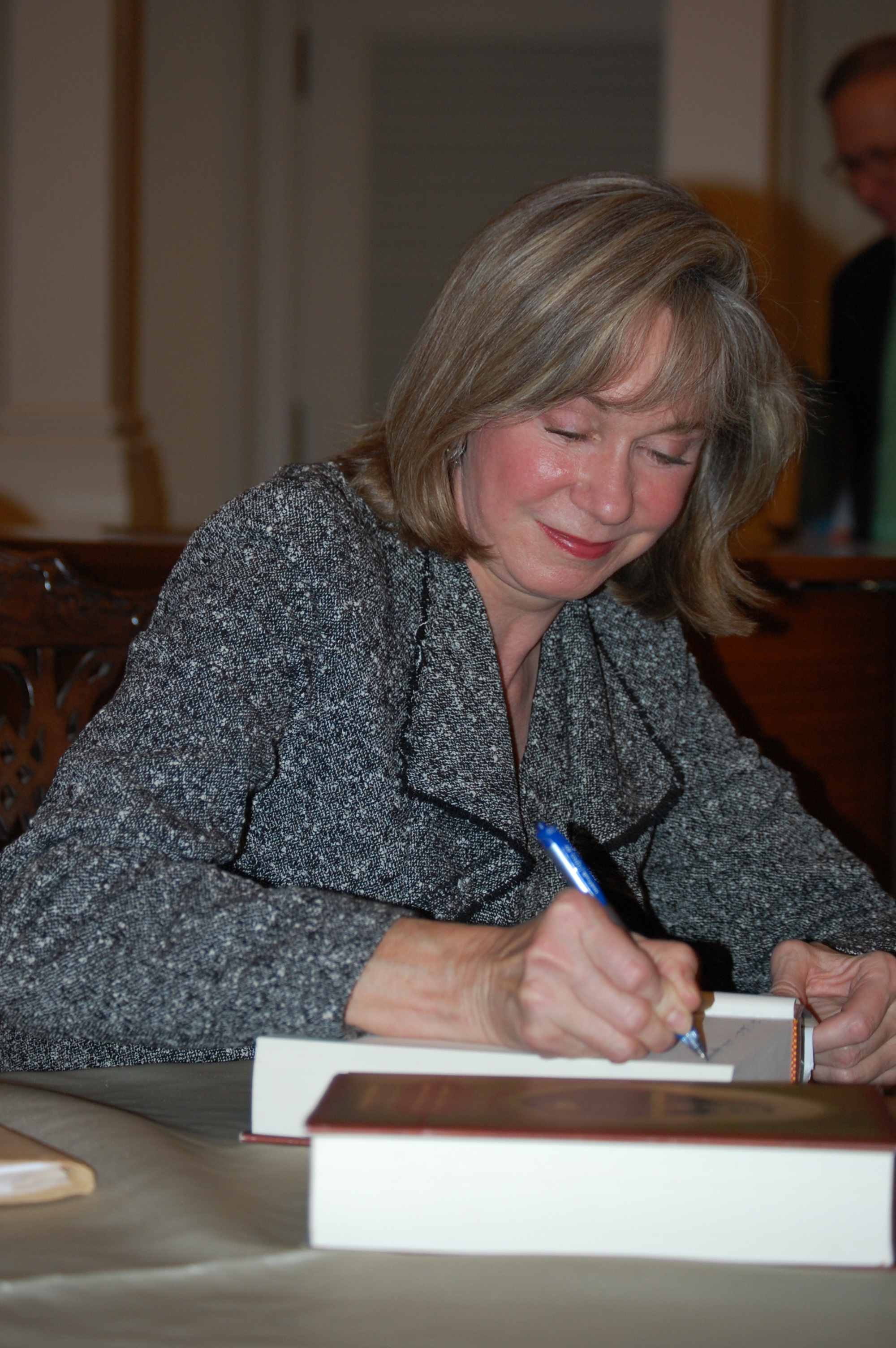
As a book lover, voracious reader, and avid collector, I can’t tell you how eagerly I anticipate this home libraryevent every year (that’s me in the picture above). I love all manner of genres and varieties of literature, and I’ve bought every kind of title you can imagine at the GHS funfest over the years, everything from The Writer’s Manual to The Rise and Fall of the Third Reich to How to Be a Gentleman. When a book is priced at 50 cents or a dollar, you almost have to buy it. This is how your house becomes a library with furniture in it.

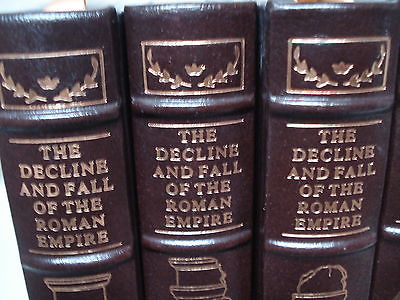
multi-volume setBut as I’ve described elsewhere, I’m a sucker most of all for the multi-volume set. As my good friend Becky once said, all a publisher has to do to get me to buy a book is to put “Volume 1” on the cover. I’ve found many goodies of this variety at the GHS booksale through the years, a veritable smorgasbord of history and literature that someone like me just cannot pass up. As Henry Ward Beecher said, where is human nature so weak as in a bookstore? Or a used book sale?

Here’s just a small sampling of the some of the nuggets I’ve staggered home with over 18 years of GHS booksales:

American Heritage Junior Library: You have to love that post-WWII era in American history when publishers readily cranked out multi-volume sets on history, literature, art, poetry, or almost anything else, for the average reader—and their children—and AH Junior Librarypaid some of the best writers of the period to contribute.
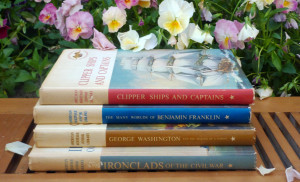
This 41-volume set was published by American Heritage between 1960 and 1970 and was aimed at the junior-high level and above. When you read them now, you realize how much was expected of a junior-high reader in the 1960s. Forget the junior-high bit: These books are all well written and grounded in the primary sources, and they’re perfect for adults who love history. The titles pull you in immediately: To the Pacific With Lewis and Clark, Thomas Jefferson and His World, History of the Atomic Bomb, Pirates of the Spanish Main, Lexington, Concord, and Bunker Hill, and The Many Worlds of Benjamin Franklin, to name a few. Many acclaimed historians of the day contributed, including John Garraty, Marcus Cunliffe, Stephen Sears, and Bernard Weisberger. Bruce Catton wrote a volume on The Battle of Gettysburg. This and all the series below were priced to sell, usually at $25 or less. I boxed them all up and made off like a bandit.
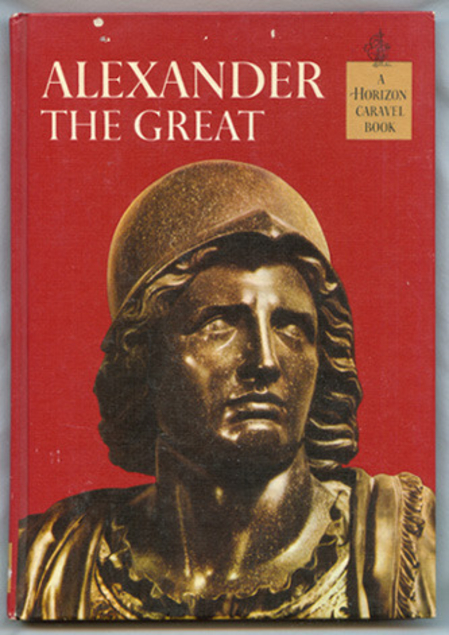
Horizon CaravelHorizon-Caravel Library: This series is a companion to the one above, focused instead on world history. It’s a terrific find, 35 volumes in all, covering everything from Alexander the Great to King Arthur (written by the renowned British historian Christopher Hibbert) to Shakespeare to Captain Cook to Beethoven to the Russian Revolution. The narratives flow, are abundantly illustrated, and great fun to read.

Gateway to the Great Books: This 10-volume series was originally published by Encyclopaedia Britannica in 1963 and edited by Mortimer Adler and Robert Maynard Hutchins, the dynamic duo most responsible for the EB’s publication of the Great Books of the Western World eleven years earlier. This set includes selections by many of the authors in the larger series through short stories, plays, essays, letters, and extracts from longer works. Here you’ll find Plutarch, Bacon, Darwin, Hume, Dante, Melville, Dostoevsky, Rousseau, Hume, and more than a hundred others in bite-sized morsels. As a bonus there’s a classic essay introduction written by Hutchins, who always sang the siren song of the downfall of Western civilization unless people kept reading. Gateway to the Great Books
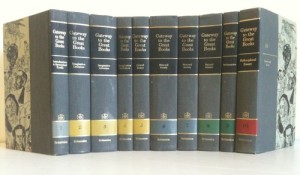
Volume 2 alone has extracts from Defoe, Kipling, Victor Hugo, Maupassant, Hemingway, Walter Scott, Joseph Conrad, Voltaire, Oscar Wilde, Poe, Twain, Robert Louis Stevenson, Dickens, and Gogol, a literary feast if ever there was one. Volume 7 (“Man And Society II”) contains among other things Jonathan Swift’s essay, “A Modest Proposal for Preventing the Children of Ireland from Being a Burden to Their Parents or Country.” How do you resist a treasury like this? I couldn’t, especially when the whole set cost only $15. Box it up and drag it home!

The Life History of the United States: Life magazine published this 12-volume set in 1963-1964. This hardcover series starts with The New World: Pre-history to 1774 and ends with The Great Age of Change, 1945-present, the present, of course, being the mid 1960s. Some of the best consensus-era historians wrote these volumes, including Richard Morris, T. Harry Williams, and William Leuchtenberg (who’s still writing at age 93—see his recent tome on The American President). These are all done in the classic Time-Life motif, with great illustrations and flowing narrative.

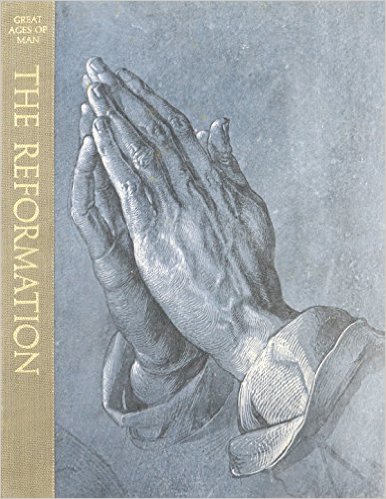
Great Ages of Man: A History of the World’s Cultures: Another Time-Life series from theGreat Ages of Man 1960s, this one comes complete with an introductory pamphlet entitled “What Man Has Built” written by the great Columbia University historian Jacques Barzun. These magnificent 21 volumes are gracefully written and splendidly illustrated and allow you to browse your way from Ancient Egypt, Greece, and Rome, over to India, China, and Japan, all the way through the Reformation, the Enlightenment (written by the renowned Freud biographer Peter Gay) and age of Exploration, right up to the mid twentieth century. Again, I picked this one up complete in mint condition for less than $30.
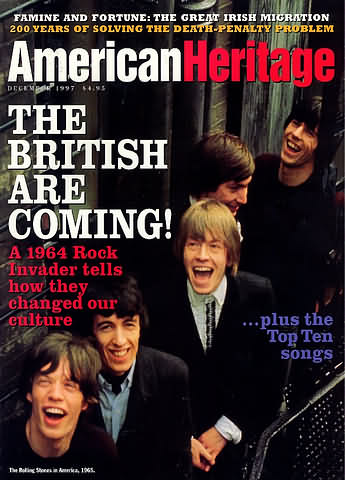
American HeritageAmerican Heritage magazine: The biggest catch I ever landed at the GHS booksale was a complete run of American Heritage magazine. I first subscribed to AH as a junior at the University of Georgia in 1985. It was typical of those wonderful family of Forbes magazines published before the advent of the Internet, thick with full-page illustrations and great writing by some of the country’s leading historians. Imagine my delight when one year, just days before the book sale, a family in Savannah donated a complete run of the magazine, from the first hardback issue in December 1954 through the switch over to softcover in 1980, up to the present, over 300 issues across 50 years. I bought the whole thing for $200 and then had to buy a new set of bookshelves for my house just to hold them all. But I now own a complete run of the magazine from December 1954 through 2012 (when it suspended publication), and I’ve spent countless pleasurable hours perusing its pages. The advertising alone was worth the price.

I just pulled down a random volume, this one from October 1970, and there are articles by the great Richard Hofstadter, Barbara Tuchman, the Wartime Journals of Charles A. Lindbergh, and an essay by Willa Cather. Multiply that out by hundreds and you get some idea of the riches to be assayed in the pages of this now-defunct slice of American literary culture.

Other Gems: One year I bought 20 volumes published by Easton Press—they of the leatheroxford illustrated dickens hardbound covers and moiré endpapers and beautiful binding—for $150, including the 3-volume collection of the complete Sherlock Holmes stories by Arthur Conan Doyle. Another year I gobbled up the Oxford Illustrated Dickens, 21 volumes of Charles Dickens complete novels, stories, and sketches, all for only $20. Other goodies include six volumes of American humorist Will Rogers’ writings, two volumes of George Orwell’s essays, and six volumes on The Great Age of Western Philosophy ($6).
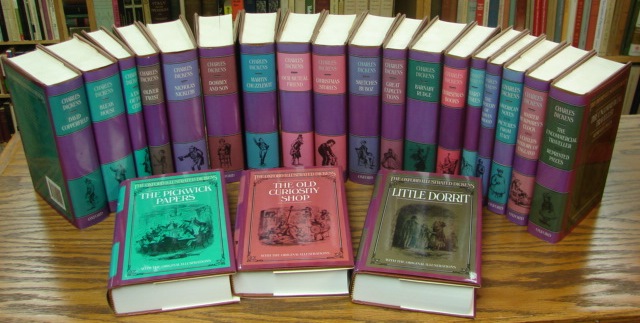

books on stairsThese are just the multi-volumes sets. I could go on and on about the individual volumes I’ve bought, countless treasures that I grabbed for $2 or less, boxed up, lugged home, and then puzzled over where the heck to fit them into a house already overflowing with books. It’s a yearly ritual, like buying a Christmas tree, and one I wouldn’t do without.

But Stan, you say, I could care less about all those dull multi-volume sets and would never clutter up my house with such garbage. Well of course you wouldn’t, those are what I buy—I left the stuff you like sitting right there on the table for you to find.

The GHS booksale has something for every discerning palate, be it coffee table books on art and architecture, or volumes on gardening, cooking, sculpting, painting, novels of every stripe and genre from Homer to Jonathan Franzen, mysteries, non-fiction, self-help, poetry, philosophy, religion, short stories, rare books, children’s books, and of course history, biography, and Georgia history. It’s a veritable feast.

Remember too, you can donate books right up to the sale, to make room for all the good stuff you’ll take home. If you love books or only have a passing acquaintance with them, don’t miss out on this annual tradition: Saturday, April 23, 9 a.m. for members, 10 a.m. for everyone else.

This may finally be the year I spot that rare set of the complete writings of Irving Forbush. Just don’t be standing in front of me when I do.

Solitary Man

sunsetBlessed with a 4-day pass over the last weekend in February, I made tracks for the Blue Ridge Mountains of north Georgia. Ralph Waldo Emerson wrote that “in the woods we return to reason and faith. There I feel that nothing can befall me in life, no disgrace, no calamity, which nature cannot repair. ” Couple that with fellow Transcendentalist Henry David Thoreau’s dictum, “I love to be alone. I never found the companion that was so companionable as solitude,” and you will understand why the mountains are a constant destination.

On that Saturday I awoke to a gloriously sunny late winter day, so with bike in tow I drove over the Richard Russell Parkway to Smithgall Woods. If you’ve never been, you’re missing out on one of our state’s great natural treasures. I would say it’s a well-kept secret, but I’m not sure that’s true, and even if it was, here I am telling you about it. But it’s undoubtedly much less used than either Unicoi or Vogel, two nearby state parks that are more widely known.

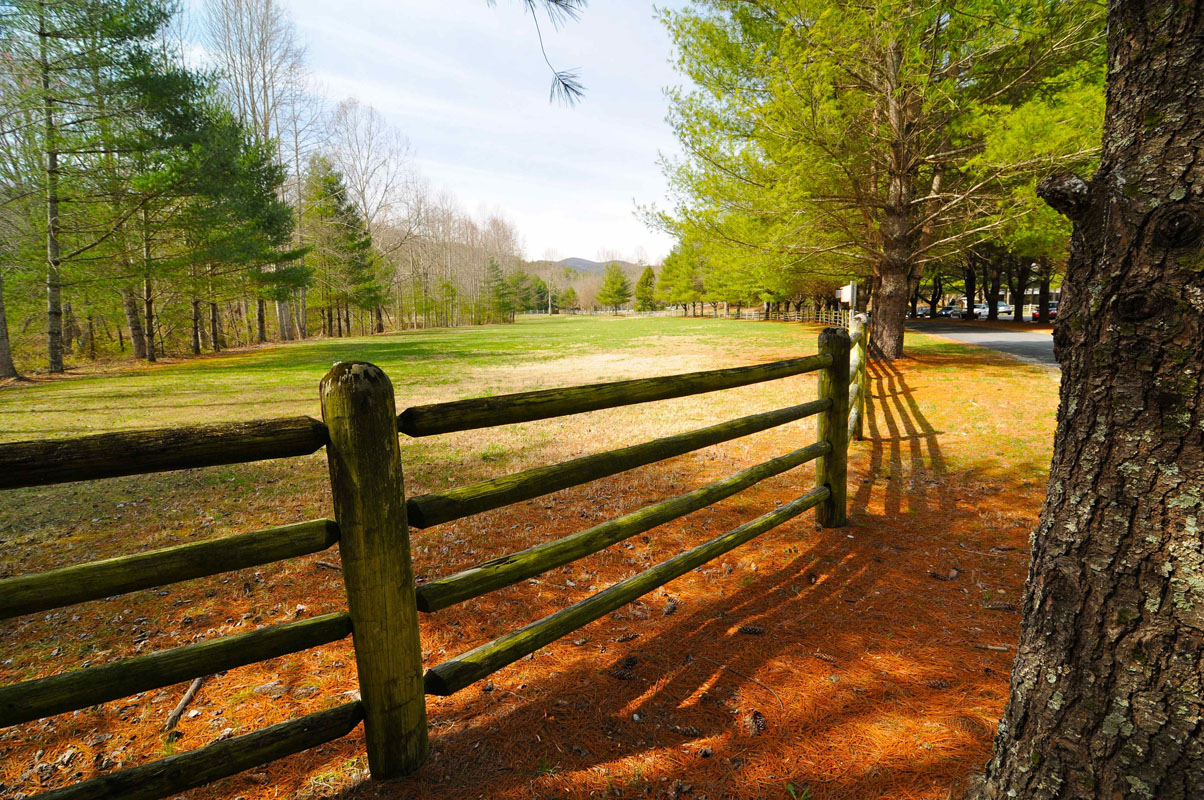
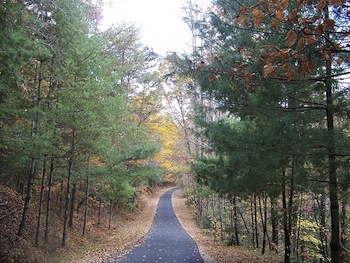
The official name of the park is Smithgall Woods – Dukes Creek Conservation Area. Its 5,664 acres (compared to 233 acres at Vogel and 1,050 at Unicoi) have their own charm, and unlike other state parks, if you don’t like being out in the woods, Tsalaski-Trail-2smit’s probably not going to be your cup of tea. But if you agree with Emerson, it doesn’t get much better. Not to mention, a river runs through it. Or, to be more precise, the restorative waters of Dukes Creek.

Smithgall Woods was acquired by the State of Georgia in 1994 from Charles A. Smithgall, Jr., and dedicated as a Heritage Preserve under the Georgia Heritage Act of 1975. Its 5 miles of trails and 18 miles of roads (paved and unpaved) are ideal for hikers or bikers.

On my first trip there last August, I biked 4 miles in on Tsalaki Trail, all the way over to State Hwy. 75 outside Helen, and then back out again. It was quite strenuous. Downright lungbusting. Even on a somewhat cool and overcast August day I was a sweaty mess. The ups and downs of the hills were calorie burners, and though I’m in good cardio shape, it was still a tough workout for this lowcountry rider. Those kinds of hills—nay, Silas, any hills—simply don’t exist in Savannah.

DSC_1485Six months later, with backpack, book, and journal strapped tight, I was simply looking for a great way to spend a beautiful winter afternoon outside. I found it.

After huffing up the initial hill that leads away from the visitor’s center, I stopped first to say hello to the Smithgall bee farm. Even on a chilly afternoon the little fellas were buzzing around in superior numbers, preventing me from moving in for a closer look, which was probably for the best. They didn’t mind posing for pictures, though.

photo 2 (1)A little farther on I parked my bike by the side of a field that in August (pictured at right) was bursting with blooming sunflowers but that now lay dormant. I spent a golden half hour writing in my journal, noting and describing the beauty all around me, listening to the rushing sound of Dukes Creek just beyond the meadow.

Dukes Creek has been rated one of the top 100 trophy trout streams in the country, and its meandering waters lie at the heart of the park. I found myself stopping repeatedly on my bike ride to just sit beside it. It’s more like a river than a creek.

You don’t have to be a fisherman to enjoy it, either. I’m not, and I spent the better part of the day sitting on its banks listening, pondering, reading, watching, writing, thinking. Every so often I’d meet a fly fisherman wading through the waters, and we’d nod to each other. Some of them must have wondered what the guy on the bank was writing about in his notebook. I enjoyed their silent company and appreciated that Dukes Creekeach of us was ultimately there for the same reasons though doing different things. Thoreau told us it’s not what you look at that matters, it’s what you see.

Sitting beside picturesque Bay’s Bridge as the cascading creek tumbled by beneath, over rocks glinting in the lowering afternoon sun, I realized: I need to come back here, to these mountains, these woods, this water, in every season, for as long as I can. As a wise man once said, there may be more to learn from climbing one mountain twenty times than from climbing twenty different mountains. I’ll never be finished here.

Yes, Stan, this is all lovely, but we’re busy people here. Is there anything really to do there? My answer is that it all depends on what you mean by doing. photo 4As writer Roger Cohen thoughtfully noted, “too often we confuse activity and movement with accomplishment and fulfillment. More may be gained through a pause.”

This doctor’s advice: Take a moment sometime soon and visit a place like Smithgall Woods. If not there, someplace like it, near or far from where you live. Our state—indeed, our nation—has a wealth of such places set aside for us.

To paraphrase John Muir, he who experiences the blessing of one mountain day is rich forever. Go collect your winnings.

Higher Ground

Come all you no-hopers, you jokers and rogues
We’re on the road to nowhere, let’s find out where it goes
It might be a ladder to the stars, who knows?
Come all you no-hopers, you jokers and rogues.
Port Isaac’s Fishermen’s Friends, “No Hopers, Jokers, and Rogues”

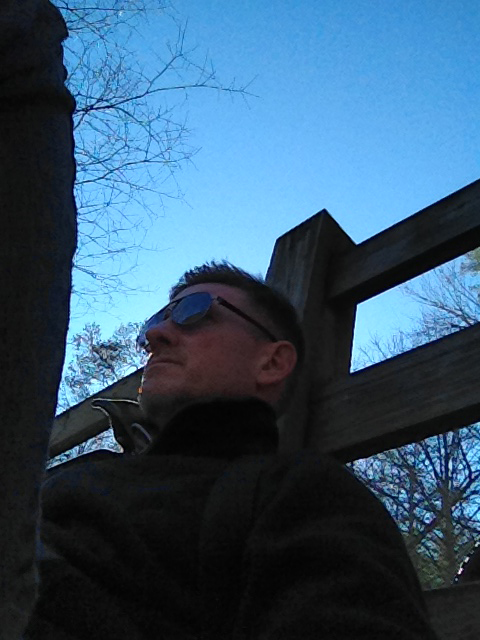
stan-photo2Hello again. As long-suffering and loyal readers of this blog (both of them) well know, it’s been eight long months since my last entry. There are many reasons for that silence, some of which I’ll write about in the New Year—my involvement in the national discussion about Confederate memorials and iconography in public spaces, three glorious Rolling Stones concerts this summer, not one but two GHS public programs about Leo Frank in the summer and fall, the Georgia History Festival Kickoff lecture in October on the real Mad Men and the world they created, and a host of other things that make my job so interesting. As the year draws to its close, it seemed like a good time to say a quick hello and goodbye to 2015, to take stock of the year, take a peek at what might lie ahead, and to set a few goals for the New Year. A few musings at the end of the year, in no particular order:

Sports: In a blog post from last January, I praised the high-flying Atlanta Hawks and wondered how far they’d go. The answer turned out to be the Eastern Conference finals, farther than they’d ever been, and in which they got swept by the far-better Cleveland Cavaliers. They’re looking good this year too, but the lack of a true big man may yet be their undoing. Stay tuned.

As you well know, the Falcons started out 5-0 and yet will not make the playoffs for the second straight year, having squandered that glorious start by losing six straight games. But let’s give Dan Quinn time to build his own team; better things ahead here.

As hard as it is to believe, I think the same is true of the Braves. They’ve traded everyone on the team who had talent except for Freddie Freeman, and they played stink-ola baseball for most of last season and undoubtedly will again in the one to come. But some analysts are now predicting that the recent trades—as painful as they’ve been—are setting the Braves up to be the next Kansas City Royals or Houston Astros, young teams on the rise and winning championships. Cheers to that. I lived through the not-too-shabby years in the 1970s and have no desire to do it again.

Finally, there’s the Mark Richt firing/mutual parting. I’ve been as vocal as anyone that it was high time for a change at UGA, but after the Dogs finished 9-3 this year I thought there was no way it would happen. But it did, among much angst and hand-wringing and gnashing of teeth. As is required whenever discussing Richt, we must first say that he is a nice guy. A great guy. A man who’s done great things at the University of Georgia. But I’ve always maintained that there are lots of coaches who could take Georgia’s talent and win 9 or 10 games. Let’s see if we’ve finally got one who can win 12 or 13.

And with the college football playoffs beginning tonight, as an unabashed SEC fan I say: Roll Tide.

Books: I’ve read many great books this year that enlightened, informed, and entertained. Here are just a few of the ones I’d recommend:

Thomas Paine, The Age of Reason (1794-95): Thomas Paine was an 18th-century equivalent of Donald Trump, a bomb-thrower extraordinaire who in just a few words could set the settled order of nature on its ear. Unlike Trump, Paine was a disciple of the Enlightenment and a fervent believer in breaking the chains that had bound men in body and mind since time immemorial. Whether in Common Sense, The American Crisis, or The Rights of Man, Paine was a caustic critic of anything that smacked of orthodoxy. This book, published in several parts beginning in 1794, was one of his last great works, but instead of kings and governments, he chose the biggest target of all: religion.

It is not for the faint of heart, a literary broadside against the belief in revealed religion and what he calls a “superstitious” belief in a supernatural being who created the Earth in seven days and continues to dabble in our daily affairs. He throws down the gauntlet right at the beginning: “I do not believe in the creed professed by the Jewish church, by the Roman church, by the Greek church, by the Turkish church, by the Protestant church, nor by any church that I know of. My own mind is my own church.” Institutionalized religion, Paine argues, are “human inventions set up to terrify and enslave mankind, and monopolize power and profit.”

Paine’s ideas weren’t new, but his engaging style of writing brought Deism down to the level of the common man and made it all the more dangerous and radical for that. His ideas are still terrifying to many people. After more than two hundred years, Paine’s ideas are still extremely unpopular and considered dangerous in much of the America of 2015 that fervently believes that this is a Christian nation and that our elected leaders should be Born Again. At a time when we’re having a broad discussion about the place and role of religion in our national lives, this is a great and timely read. Whatever your beliefs, it will, like all great books, challenge you to stand on new ground. I highly recommend it.

Charles Dickens, The Posthumous Papers of the Pickwick Club (1836-37). You can never go wrong with Dickens. One of the great glories lying ahead of me in my life is the pleasure of reading all of his works, fiction and non-fiction alike. I’ve read Great Expectations, A Tale of Two Cities, David Copperfield, and of course many of his Christmas stories. Unencumbered by the thought process, as our NPR friends Click and Clack used to say, I think this one is the best of them all. Unlike many of Dickens’ books, it’s not depressing—except for the fact that he could write so well and with such penetrating insight into the human condition at the tender age of 24—and in fact is hilarious. Here are the exploits of Mr. Samuel Pickwick and his companions Tracy Tupman, Nathaniel Winkle, and Augustus Snodgrass—and the irrepressible and singular Samuel Weller—as they travel around England, meeting some of the most interesting characters ever conceived along the way—Alfred Jingle, the residents of Dingley Dell, Joe the Fat Boy, Mr. Wardle, and many others. This one is a feast that I’m still working on and not anxious to finish.

Clayton Rawson, Death from a Top Hat (1938): A classic locked-room mystery, the first of four featuring the Great Merlini, a magician and amateur sleuth. It’s exactly what it sounds like: a body is found in an apartment with all the doors and windows sealed. He was strangled but how did the murderer leave? One of the best locked-room mysteries ever and great nightly bedtime reading. The classic Dell paperback is hard to find but this and the others in the series are all available on Kindle. A great way to drift off to the land of Morpheus.

Washington Irving, Bracebridge Hall, or The Humorists (1822). I first dipped into this book sitting in my favorite swing by the side of Lake Trahlyta at Vogel State Park on a warm August afternoon, but I saved it for the cooler days and darker nights of November, for which it’s better suited. It’s a collection of Irving’s short stories published under his pseudonym Geoffrey Crayon and supposedly collected when Crayon visited his friend Frank Bracebridge for his wedding in England. It follows up The Sketchbook of Geoffrey Crayon, which first introduced the Bracebridge family (and which featured Sleepy Hollow and Rip Van Winkle as bonuses), and preceded Tales of a Traveller.The collection contains some of the classic descriptions of the English countryside and the people who live there that made Irving famous and features some of his best stories—”The Stout Gentleman,” “The Haunted House,” “The Storm Ship,” and “Dolph Heyliger” among them. As lauded as Irving is for “The Legend of Sleepy Hollow,” his other writings go mostly unread today, and they shouldn’t.  When the leaves turn golden in November, I always reach for him.

Yes, I read history and biography too, fear not. In preparing for the Georgia History Festival Kickoff Lecture on “The Birth of the American Dream” and the real Mad Men who created it, I reread David Halberstam’s The Fifties (1993). Halberstam is above all else a reporter and storyteller, and his descriptions of the people and events of that decade are exceptional. For a more detailed historical study, I turned to a volume in the Oxford History of the United States series, James Patterson’s Grand Expectations: The United States, 1945-1974 (1996). Both of these books clock in at over 800 pages, so they aren’t light reading, but they’re both well worth your time. You can’t hurry through them and you don’t want to. Linger in the land of Lucy, Elvis, and The Bomb.

Reaching back to an earlier period, I also read Edward Larson’s The Return of George Washington, 1783-1789 (2014), coupled with the first volume of James Thomas Flexner’s classic multivolume biography of Washington, George Washington: The Forge of Experience, 1732-1775 (1965). Surprisingly, given the fame of Flexner’s set and his authoritative position in the Washington canon, I preferred Larson’s elegant and graceful prose, covering a period of Washington’s life that is often overlooked, the years between the American Revolution and his presidency. Larson convincingly argues that without Washington’s backing there never would have been a Constitution, demonstrating the enormous influence he had on the final document just by his presence in the room. Highly recommended.

This past year certainly hasn’t lacked for materials for the historian who plies his trade in the public realm. From the ISIS atrocities that bore eerie similarities to events in this country a century ago when African Americans were burned alive, mutilated, and lynched, to the mass shooting in Charleston that led to a national discussion of the role of Confederate iconography in American life, to the rise of Donald Trump, an egomaniacal “strongman” with echoes in Huey Long, Joseph McCarthy, and George Wallace, there has been plenty to comment on and write about as we try to sort out and make sense of the events in our daily lives and their historical antecedents. This next year will bring more of the same no doubt, as we enter a presidential election year that promises to be one of the most interesting and pivotal in our nation’s history. More on all of this anon.

Turn off your engines and slow down your wheels
Suddenly your master plan loses its appeal
Everybody knows that this reality’s not real
So raise a glass
To all things past
And celebrate how good it feels.
Port Isaac’s Fishermen’s Friends, “No Hopers, Jokers, and Rogues”

Next Year: For the New Year, I certainly have goals, if not resolutions. Any time of the year is a good time to set a goal (just like any day is a good day to start a diet), but since the New Year is the traditional time for clean slates, we’ll play along.

In 2016, I want to be more patient, especially with my daughter but also with everyone in my life, including the jerk in the car in front of me who’s driving too slow, or the maroon (as Bugs Bunny said) in the car behind me who wants me to drive faster.

Next year I hope to be more empathetic and sympathetic towards other people and their daily struggles and concerns. In memory of my friend Will, I need to pay more attention to the silent sufferings of other people.

Next year I’d like to find the courage to spend at least one hour every week visiting people that I don’t know in nursing homes and assisted living centers. They are among the most depressing places on Earth and are usually shunned by everyone who doesn’t need to go there. It’s hard to go there. And that’s one reason I’d like to start trying, to visit and spend time with people who have no one to talk to. I hope I have the courage to do it, and having written it down here in this public blog, perhaps I will. It’s a goal for 2016.

I’m so glad that he let me try it again
Cause my last time on earth I lived a whole world of sin
I’m so glad that I know more than I knew then
Gonna keep on tryin’
Till I reach my highest ground
Stevie Wonder, “Higher Ground”

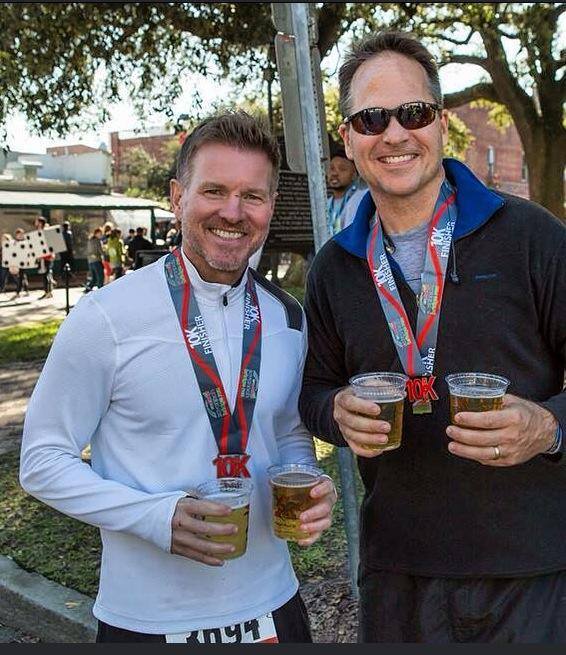
runningI have the usual goals next year that I have every year: Exercise more. Run more. Read more. Write more. Listen more. Hike more. Bike more. Talk less. Eat less. Complain less. Argue less. Get angry less. Watch TV less (except for “Better Call Saul,” “Fargo,” and the upcoming “X Files”). To pick up the phone and talk to someone I haven’t talked to in a long time. To renew friendships and make new ones. To try on a daily basis, as Thomas Jefferson so eloquently put it, to take life by the smooth handle. To meet life and its challenges and opportunities with stoicism. To try, as Marcus Aurelius said, to arise each morning and remember what a precious privilege it is to be alive.

To one and all who have read a single word or every word of this blog since it began on October 15, 2013, and who have supported me along the way and given me a word of encouragement, thank you. I’ll see you here much more frequently in 2016. Cheers to you all.

We Salute You, and Farewell

EBPWe at GHS are mourning the loss of a good friend, Elizabeth Brown Pryor, a gifted writer and historian, killed in a car crash in Richmond, Virginia, on Monday, April 13.

Elizabeth was the author, most recently, of Reading the Man: A Portrait of Robert E. Lee Through His Private Letters, which received the prestigious Lincoln Prize among many other awards following its 2007 publication. It was a landmark book that, as fellow historian Kevin Levin says, “was a major kick in the [rear] at just the right time.” Elizabeth tapped into a vein of Lee documents stashed away for decades and gave us an entirely new and provocative way of viewing the controversial Confederate chieftain. She came to Savannah and spoke to a packed house in 2007 and returned in 2010 to take part in a four-week GHS Summer Seminar on new viewpoints on the Civil War.

She came to Savannah not only to discuss Lee, but also her book, Clara Barton, Professional Angel, with K-12 teachers in several Teaching American History workshops . An eloquent speaker with a rare combination of charm and scholarly rigor, she was always gracious with friend and critic alike, and there were many who took exception to her portrait of Lee. Generous with her time, she won converts as only a seasoned former State Department eb pryordiplomat could.

In 2014, the Georgia Historical Society began a new GHS Distinguished Fellows program to recognize scholars of national repute for their accomplishments and scholarship, and for their service and friendship to GHS. Elizabeth was on our list to receive this honor.

Her untimely death is a tragedy for her friends and family and for all who love history. For those of us who aspire to make a difference in the world through the written and spoken word, her loss as a role model—and friend—is deeply felt. Ave atque vale.

The First

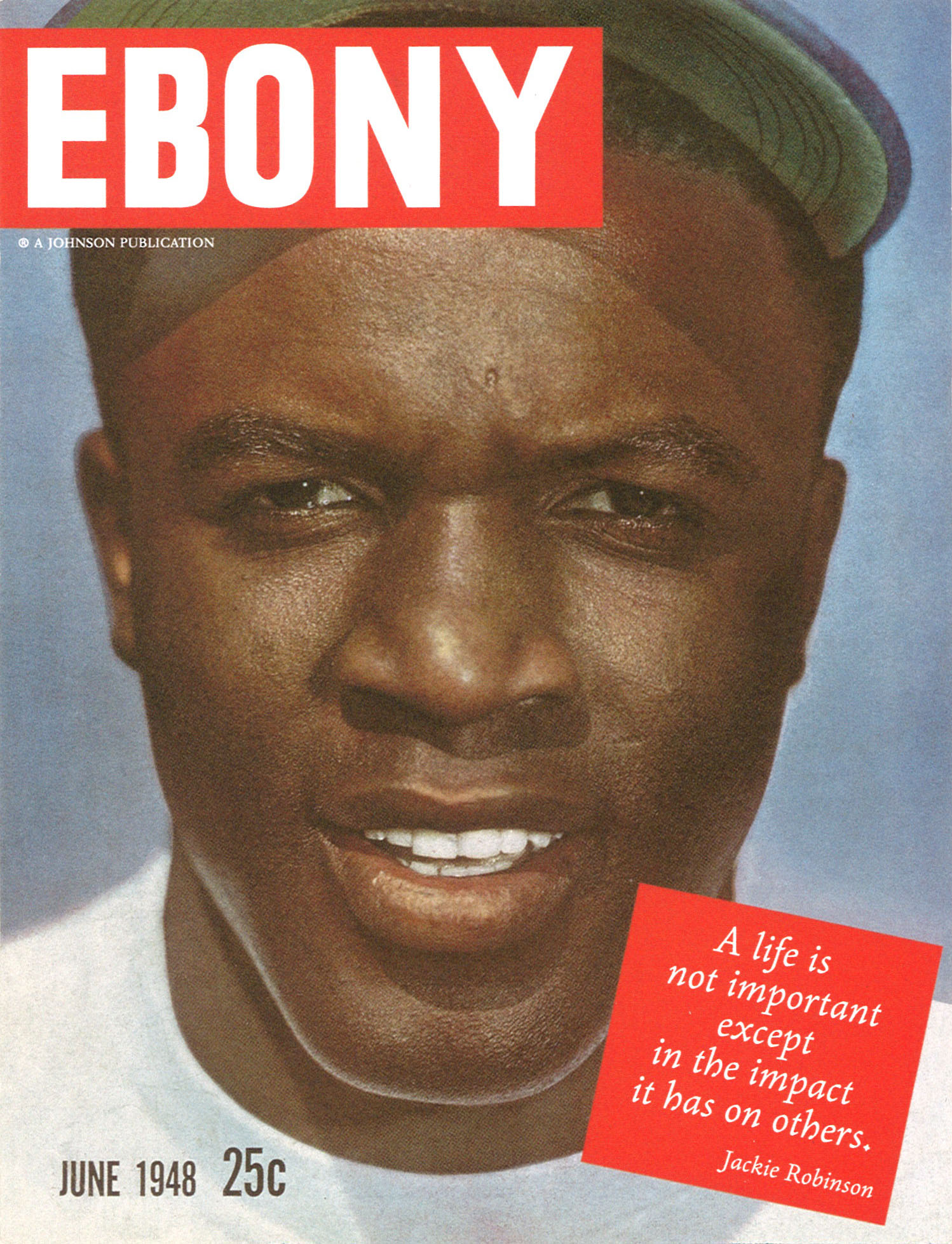
0664_001Six months ago in this space I lamented the end of the baseball season. Now, with the arrival of April and the return of Spring and the national pastime, it’s only fitting that we remember the Georgia native who made history in 1947 by being The First.

For most of us, being first is something we long for. Americans like being first in everything—first means gold medals, it means winning, it means recognition, it means an association with being the best, with something good. First in line; first-come, first-served. The first in our class. First edition. The first to climb Mount Everest. First in the polls. First in war, first in peace, first in the hearts of his countrymen. The first sign of spring. The first time ever I saw your face. The first kiss, the first dance, the first date, the first to walk on the moon. The first day of the year. The first. Number one.

But what if being first means having people hate your guts? What if going to work every day meant you were open to taunts, threats, and physical violence? And what about volunteering to be the first at something you know is going to be the hardest road you’ve ever walked down in your life? Why would you do it? Would you do it? Honestly, most of us would say, let this cup pass from me. We are reminded of William Shakespeare’s great lines: Some are born great; some achieve greatness; some have greatness thrust upon them.

After World War II, Brooklyn Dodgers president and general manager Branch Rickey was looking for a way to put more fannies in the seats at Dodger games and to make his team better. Every team president wanted to do that. But the other thing Rickey had in mind seemed downright radical and, some thought, un-American. He wanted to break baseball’s color barrier and put a black baseball player on the Brooklyn Dodgers. A dangerous piece of social engineering, to be sure. To give you some perspective, that same year, 1947, the Memphis Censorship Board banned the movie Curley because it showed black and white children playing together. If you thought opposition to health care reform was intense, what Rickey wanted to do seemed unimaginable. There had been an unofficial “gentlemen’s agreement” against such a thing since the nineteenth century. But Branch Rickey, a man born in the late nineteenth century in Ohio, thought it was a good idea.

Who would he sign? It would take a rare individual; it had to be someone with a relentless personality and a determined drive to succeed. Someone who could take the most vile abuse imaginable and turn the other cheek. Someone who could psychologically endure loneliness and extreme public persecution while simultaneously being a very good baseball player. History had summoned Jack Roosevelt Robinson.

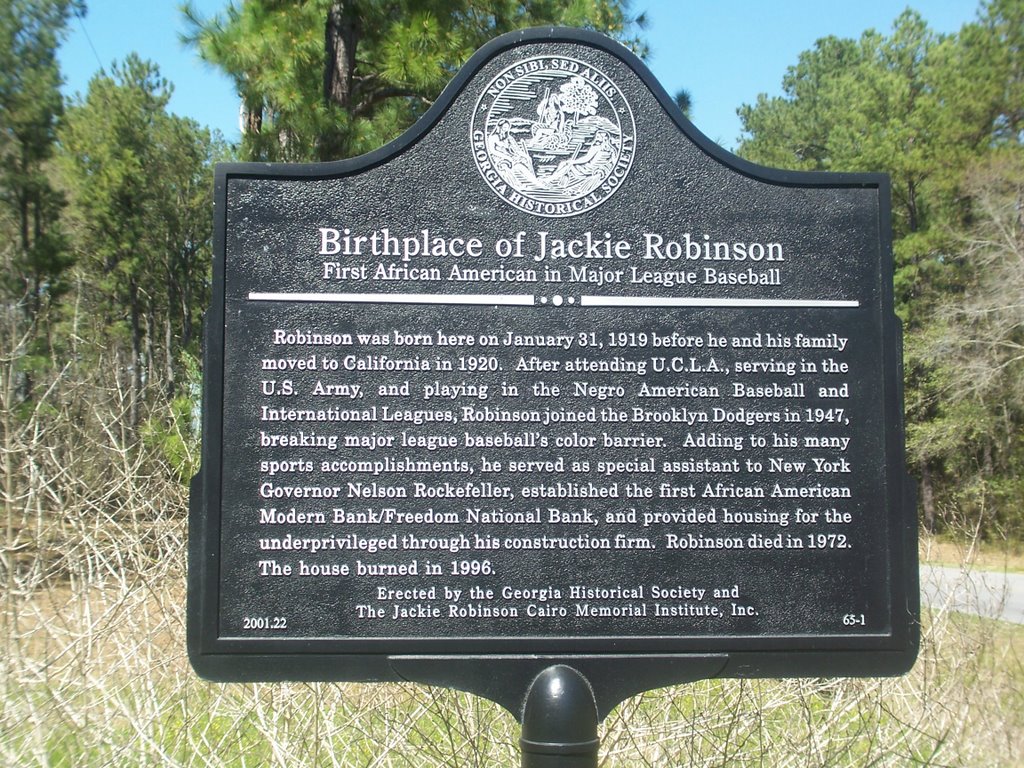
historical markerRobinson was born in Cairo, Georgia, on January 31, 1919. Abandoned by her husband, his mother Mallie moved the family to Pasadena, California, in 1920, and Robinson attended John Muir Technical High School and Pasadena Community College before transferring to the University of California, Los Angeles. At UCLA he was an outstanding athlete, lettering in four sports—baseball, football, basketball, and track—and he excelled in swimming and tennis as well. Jackie Robinson was used to competing at the highest level of competition, and he was no shrinking violet. Scott Simon called him “a hard-nosed, hard-assed, brass-balled, fire-breathing athlete.”

Robinson showed early that he was not afraid to stand up to bigotry. He was drafted in 1942 and served on military bases in Kansas and Texas. With help from boxer Joe Louis, he succeeded in opening an Officer Candidate School for black soldiers. Soon after, Robinson became a second lieutenant. Late one evening at Fort Hood, Texas, Robinson got on a bus and spotted a fellow officer’s light-skinned wife who could easily be mistaken for white; he sat down next to her. The bus driver stopped the bus and yelled out, “Hey boy! Get to the back of the bus!” Robinson refused and faced a court martial. When a private at MP headquarters later that evening asked Robinson if he was “the nigger lieutenant” who had gotten in trouble, Jackie told him, “If you ever call me a nigger again, I’ll break you in two.” In the end, the order was ruled a violation of Army regulations, and he was exonerated. Shortly after leaving the Army in 1944, Robinson joined the Kansas City Monarchs, a leading team in the Negro Leagues.

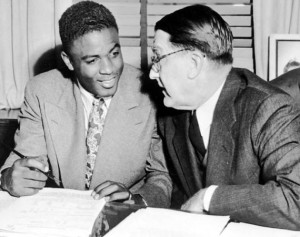
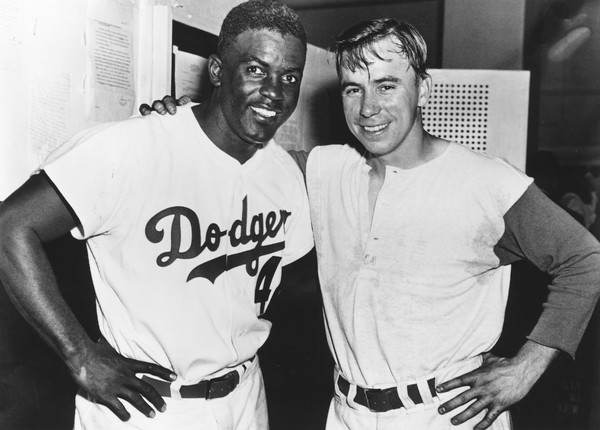
Robinson-RickeyWhen Branch Rickey signed Jackie Robinson and finally brought him up to the big leagues in the spring of 1947, baseball’s “Great Experiment,” as it was called, electrified America. Probably the only rookie given a day in his honor, Robinson trailed only Bing Crosby in a year-end national popularity poll. Virtually the entire black population of America became Dodger fans. At the end of the season, Robinson had been named the league’s Rookie of the Year (an award that now bears his name), gaining respect throughout the baseball world and beyond. Three years later he won the batting title, hitting .346, was named Most Valuable Player, and led the Dodgers to the World Series. Over a ten-year career he hit .311, and played in six all-star games and six World Series. He was voted into the Baseball Hall of Fame in 1962.
It sounds like he won American Idol, doesn’t it? But this is to sum up a year and a career, and we don’t live our lives like that. We live out each minute and each hour, sometimes in excruciating pain. For Jackie Robinson, 1947 was an entirely different experience, a hell on earth.

The kind of public torture that Jackie Robinson faced few of us, thank goodness, will ever know. We all remember the public humiliation we felt and the laughter we faced from our peers when our mothers made us wear raincoats to school or take an umbrella on days when it rained, or when she made you wear a tie to school on picture day. And while few things in life equal the scorn of tormenting 13-year-olds whose approval you would desperately like to have, for most of us that’s as bad as it will ever get. But the rites of passage we all knew in our adolescence are not what I’m talking about. I’m talking about the special level of hell reserved for those first black students who walked up the steps that morning at Little Rock Central High School in 1957. For the first former slave who walked to a polling place and told a white man that he was there to vote after the Civil War. For the first women who attended law schools. This is the kind of first that Jackie Robinson volunteered for.

In a now-legendary meeting, Dodgers GM Branch Rickey confronted Robinson with the wide range of abuse he knew Robinson would face. Robinson listened to Rickey talk, growing visibly angry, and finally blew up. “Do you want a player afraid to fight back?” he shouted. Rickey replied no, that he wanted someone even tougher than that, someone, he said, “with the guts not to fight back.” Restraint would be the measure of his courage. Rickey told him, “Jackie, we’ve got no army. There’s virtually nobody on our side. No owner, no umpires, very few newspapermen. And I’m afraid that many fans may be hostile. We’ll be in a tough position. We can win only if we can convince the world that I am doing this because you’re a great ballplayer, and a fine gentleman. You cannot fight back.” He told Robinson, “I need someone who can carry this load.” Robinson agreed that for three years, he wouldn’t fight back. He wouldn’t speak up. He wouldn’t argue. He would simply take it, and all the while he would try to perform at the highest level. Failure wasn’t an option.

Many thought Rickey would pick the great Satchel Paige, and when he wasn’t chosen reporters sought him out. Was he bitter or disappointed? No, Paige said with enormous class, “They didn’t make a mistake by signing Robinson,” he told them. “They couldn’t have picked a better man.” In Scott Simon’s words, Rickey had anointed a knight to ride out first.

But being first means being a target, and it began with members of his own team. In spring training, Dodgers manager Leo Durocher had to squelch plans for a players’ petition against Robinson in a midnight meeting. But when some Dodgers actively protested against Robinson, Durocher stood up to them: “Listen, I don’t care if this guy is white, black, green or has stripes like a f’ing zebra. If I say he plays, he plays. He can put an awful lot of f’ing money in our pockets. Take your petition and shove it up your ass. This guy can take us to the World Series, and so far we haven’t won spit.”

When the team went on the road in spring training, Robinson had to stay in different hotels, separate from the rest of the team, and eat in different dining rooms. And always he was alone. The famous Dodgertown complex later erected was in part a response to the problems that Robinson and other blacks faced with spring-training racism. His teammates kept their distance in the dugout and on the field. One sportswriter said that Jackie Robinson looked to him, sitting in the dugout all by himself, away from his teammates, like the loneliest man in the world. He knew that nearly everyone wanted to see him fall flat on his face, to make a fool of himself, and of Branch Rickey, who was accused of being a communist and a socialist. After the start of the season, the St. Louis Cardinals were rumored to be planning a strike in protest of Robinson. Vile insults and black cats were thrown at him from the stands in St. Louis. Some of the worst abuse came from players on opposing teams.

The Phillies were managed by Ben Chapman from Alabama, and he told his players that when Robinson came to bat, to open up with both barrels, to taunt and bait Robinson with all they had, “to see if he can take it.” Hitting a major league curveball is considered one of the most difficult of all athletic achievements. Imagine trying to do it while hearing things like this coming from the opposing dugout:

“Hey nigger! That ball ain’t no watermelon boy!”

“You can’t play with white boys, you know that! Get back to the jungle, nigger boy!”

“Hey nigger, why don’t you go back to the cotton field where you belong?”

“Hey, snowflake, which one of those white boys’ wives are you dating tonight?”

“We don’t want you here, nigger!”

We can wonder now how anyone could have been so ignorant. Or how he could have endured it. There were references to thick lips, thick skulls, and syphilis sores. The stands rained down with tomatoes, rocks, watermelon slices, Sambo dolls, and the most vile things you could ever say to another human.

jackie robinson pee wee reeseIt did something even to his own teammates, who for the most part had left him alone, had kept their distance. Dodger Eddie Stanky—also from Alabama—had enough. He stood up on the dugout steps and called Chapman a coward and told him to pick on someone who could fight back. In Cincinnati, Dodger shortstop Pee Wee Reese,a native of Louisville, Kentucky, put his arm around Robinson’s shoulder to show his support for his teammate. A small thing, really, but a hugely symbolic moment that was lost on no one and meant the world to Robinson.

There were other moments, with other teams. In Pittsburgh, Robinson and the great Hank Greenberg, who was Jewish and had been called vile names himself, collided on a violent play at first and Robinson was called safe. It was a tense moment. They each got up, dusted themselves off, and as Robinson took his lead off first base, he heard Greenberg say behind him, “Stick in there. You’re doing fine. Keep your chin up.” After the game, Robinson told a reporter, “Class sticks out all over Mr. Greenberg.”

As Branch Rickey later remembered, racists like Chapman actually brought the Dodgers together as nothing else could. “He solidified and unified thirty men, not one of whom was willing to sit by and see someone kick a man who had his hands tied behind his back.” Incidentally, Jackie Robinson scored the only run that day. The Dodgers beat Chapman’s Phillies 1-0. God does have a sense of humor.

He said later that that day almost broke him. For one moment, he remembered, he thought, “to hell with this.” “I was, after all, a human being. What was I doing here turning the other cheek as though I weren’t a man?” Robinson said he wanted to “stride over to that Phillies dugout, grab one of those white sons of bitches, and smash his teeth with my despised black fist.”

That Jackie Robinson had to go through something like that just to play a game is shameful, but it gives us some insight into the character of the man that he endured it, bore it with grace and dignity, and thrived in spite of it. He stood there and took it, and he did it, he said later, for his mother who had kept his family together after being abandoned by his father, for his brothers who never got this kind of chance, for Branch Rickey who displayed enormous courage himself, and for all the ones who would come after him. It was for good reason that much later his daughter Sharon wrote a children’s book about him entitled Testing the Ice, which he did both literally and metaphorically. This was a man whose life provided a foundation upon which so many others would build. Willie Mays said later that every time he looked at his house he thanked God for Jackie Robinson.

After three years, Robinson pushed back. He argued with umpires, he protested second-class accommodations, and no one ever taunted him to his face. But having to internalize all of it killed him, quite literally. He was dead by 53. It is his name we remember today, and not those of the small men who taunted him.

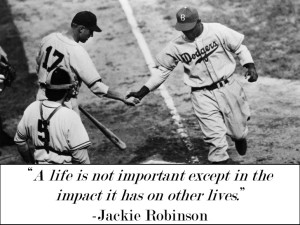
jackie quoteThis is what makes history so fascinating to me: you can read all day about how depraved humans as a species have been, but then you come across someone who inspires you by simple acts of courage and dignity. Jackie Robinson was not a great military hero or politician; he never took a city by force, never won an election, never conquered an army, never explored unknown lands, never founded a colony. He never started a war or ended one. Nor was he a saint. No man is. He was just a baseball player, albeit a great one; but he was so much more than that. As someone once said, it didn’t take a great baseball player to break down that barrier. It took a great man.
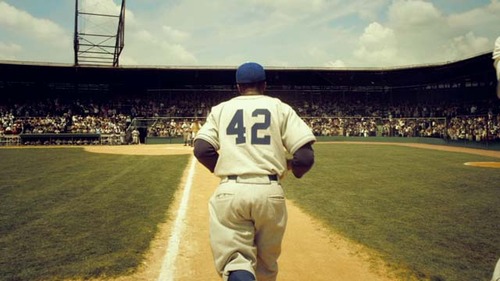
Even if she never likes baseball—and she will—I want my daughter to know about Jackie Robinson. I want her to learn that many things she might take for granted were achieved only with great sacrifice and at a very high cost, and that she will have opportunities in her life—to vote, to go to college, perhaps attend law school, become a doctor, a CEO, a writer, a soldier, a teacher, a baseball player—because someone else opened a door that was closed and carried the weight of being first upon their shoulders. And should she herself ever be called upon one day to step forward and be the first in some field or endeavor, she could have no better example of how to walk a difficult and lonely yet dignified path than the life of Jackie Robinson.

rounding thirdRobinson was a brave and courageous man, one of those rare souls who, when the great question is asked, “who will go first?” didn’t avert his eyes, put his head down, or walk away. He stepped forward and said, “I will.” When he took the field on April 15, 1947, and kept taking it, day after day, he didn’t just make the Dodgers better. He made the human race better. “I’m not concerned with your liking or disliking me,” he said, “all I ask is that you respect me as a human being.”

Play ball.