Category Archives: Books

S10E10 Podcast: A Little More Social: To Speak or Not to Speak?

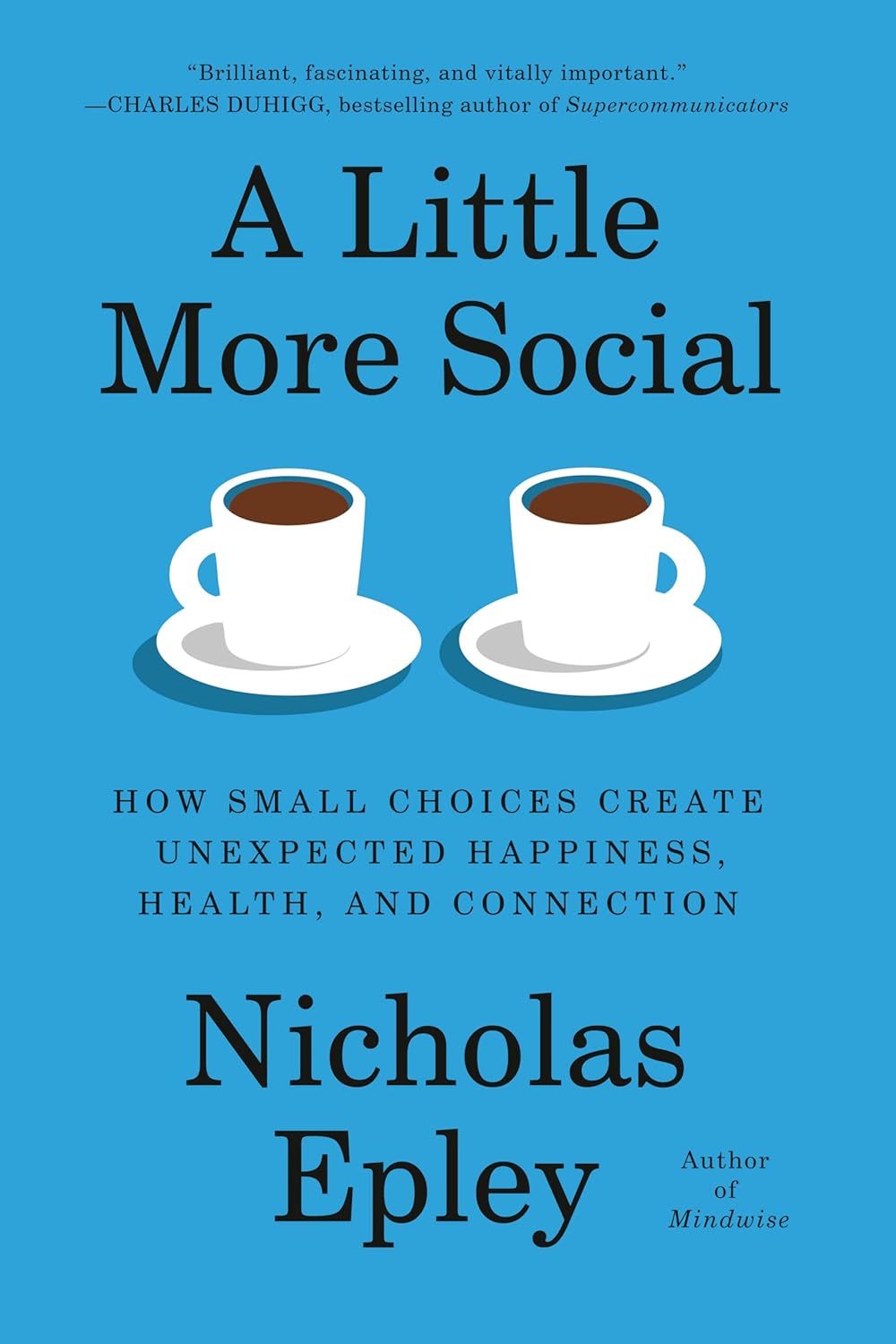
It’s the choice we make every day: when we have a chance to engage with a stranger on an airplane or sitting in a waiting room, do we put on our headphones or start a conversation? To speak or not to speak? Stan’s guest this week is University of Chicago psychologist Nicholas Epley, talking about his new book, A Little More Social: How Small Choices Create Unexpected Happiness, Health, and Connection (Knopf, 2026). There is a paradox at the core of human life. We are a highly social species uniquely equipped to connect with other people and doing so is better for us. Yet we so often choose to be unsocial. We avoid talking to the stranger who sits next to us. We struggle to move beyond small talk with an acquaintance. Epley has spent his career studying the way we connect, and he tells us how small acts of connection with other human beings can have an outsized impact on the most important parts of our lives.
S10E8 Podcast: The American: Daniel J. Boorstin and His 20th Century

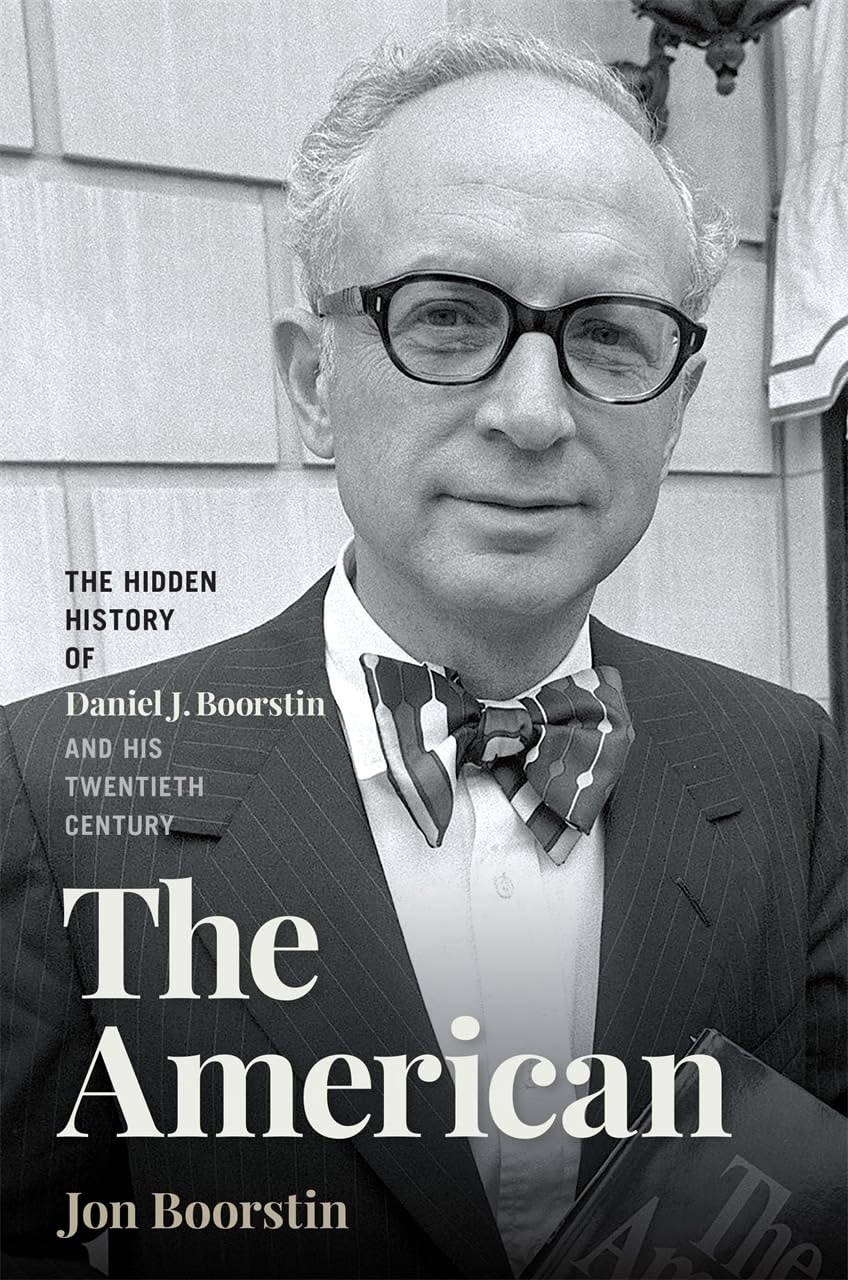
What does it mean to be an American? Historian Daniel J. Boorstin, Librarian of Congress and one of the most important public intellectuals of the 20th century, spent a lifetime pondering that question. Stan’s guest this week is Boorstin’s son Jon Boorstin, a novelist and Oscar-nominated filmmaker, who discusses his new book, The American: The Hidden History of Daniel J. Boorstin and His Twentieth Century (University of Georgia Press). Jon tells the biographical story his father never told, going back to his grandfather Sam Boorstin, the youngest lawyer in Georgia’s history. After his good friend and fellow Atlantan Leo Frank was lynched in a notorious antisemitic incident, Sam moved his family to boomtown Tulsa, where Daniel was raised in the shadow of the infamous Tulsa Massacre of 1921. Jon also explores his father’s enduring friendship with the distinguished Black historian and fellow Tulsan John Hope Franklin, both unwavering proponents of the American Dream in the face of extraordinary prejudice.

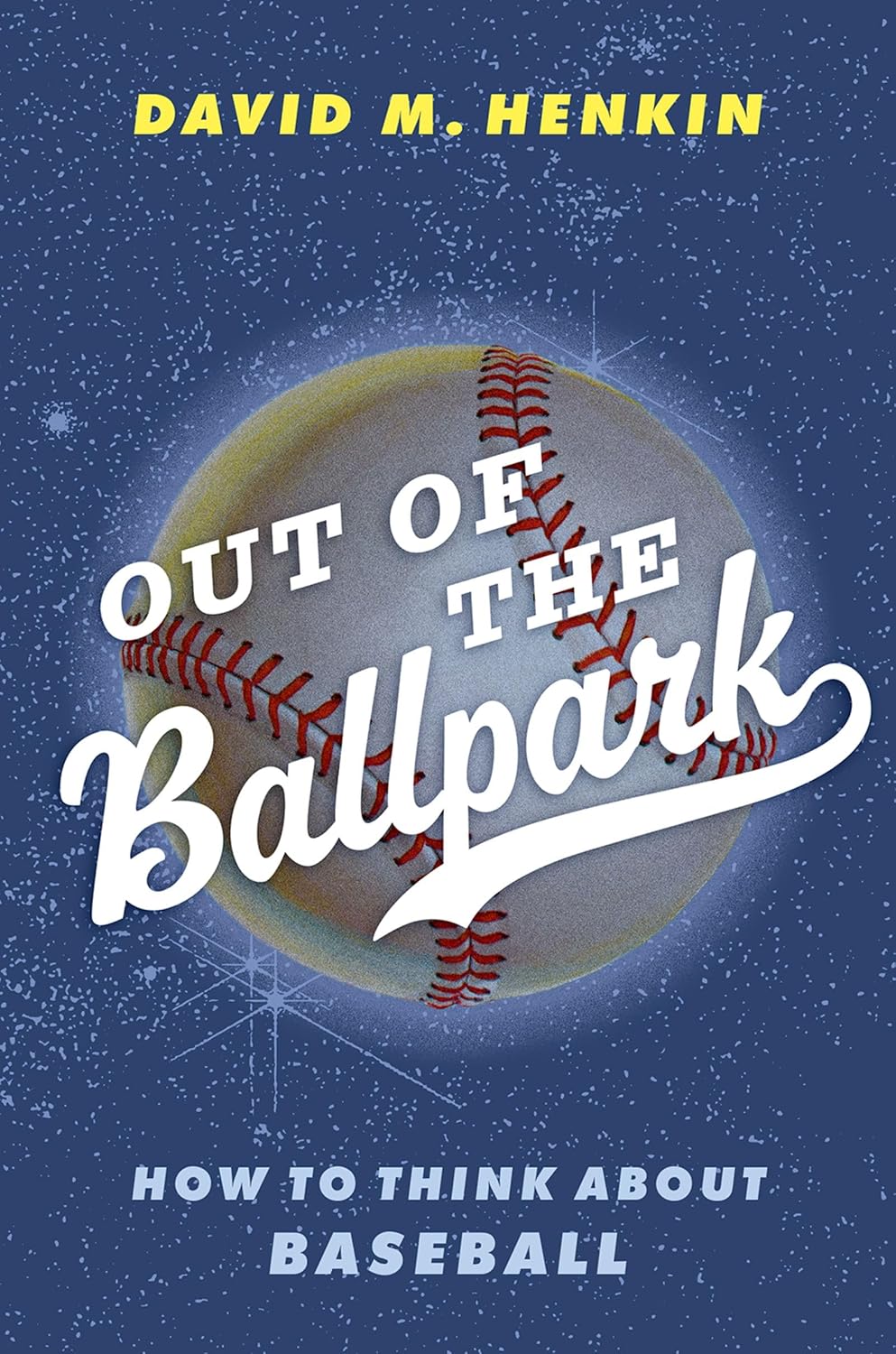
S10E5 Podcast: Out of the Ballpark: How to Think About Baseball

Stan welcomes back to the podcast historian David Henkin of the University of California, Berkeley, to talk about his latest book, Out of the Ballpark: How to Think About Baseball (Oxford University Press, 2026). Henkin strips away the mythology that has accumulated around baseball in the United States and rejects the notion that understanding the game requires focusing solely on what happens on the diamond, choosing instead to explore the game’s history, it’s obsession with rulebooks and statistics, the game’s “clubs” and “leagues,” mass media, and the international appeal of this wonderful and enduring pastime.

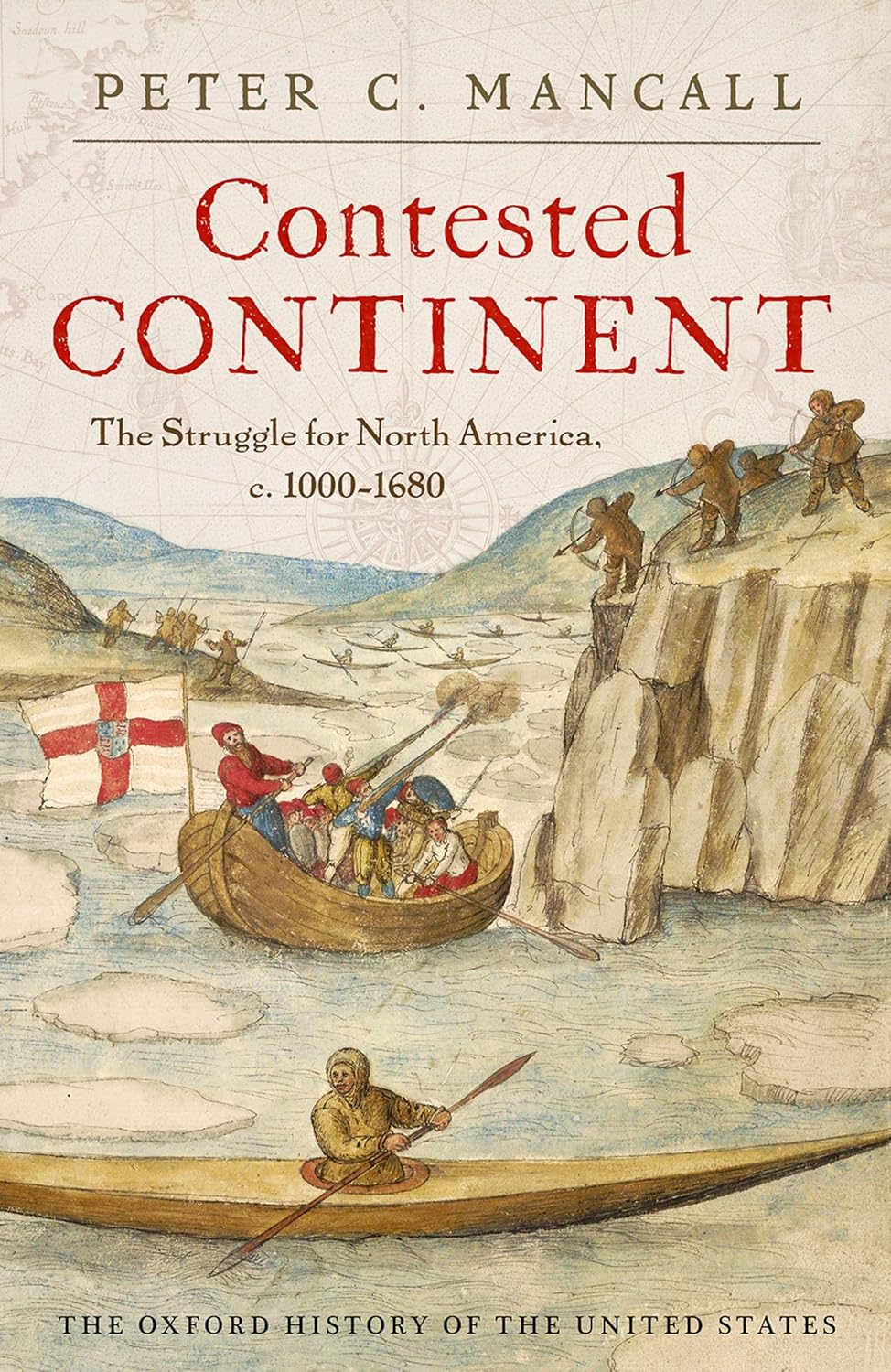
S10E4 Podcast: Contested Continent: The Oxford History of the United States

Stan’s guest this week is distinguished historian Peter Mancall of the University of Southern California, author of Contested Continent: The Struggle for North America, c.1000 – 1680, the new and first volume in the renowned Oxford History of the United States series. Contested Continent recounts the origins of “America” and how it came to birth the United States, from the Viking expeditions to the end of the 17th century. The Oxford History of the United States is the most respected multi-volume history of our nation. The series includes three Pulitzer Prize winners, two New York Times bestsellers, and winners of the Bancroft and Parkman Prizes. Mancall recounts how North America was forged from the experiences of millions of Indigenous, European, and African women and men, from the Arctic to the West Indies.

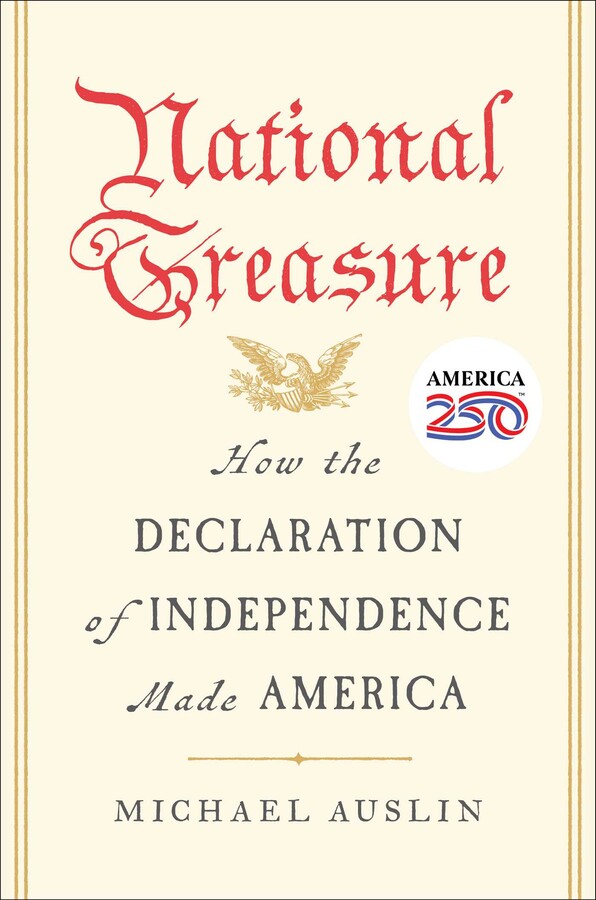
S10E1 Podcast: National Treasure: The Declaration of Independence

As part of GHS’s ongoing US250 commemoration—and just in time for July 4—Stan’s guest is author and historian Michael Auslin, talking about his new book, National Treasure: How the Declaration of Independence Made America (Avid Reader Press/Simon & Schuster, 2026), the inspiring story of the Declaration from the Philadelphia boardinghouse where Jefferson drafted it to its removal from Washington in 1814 to its evacuation to Fort Knox during World War II, its ink fading until it was painstakingly preserved and enshrined. Through it all, Jefferson’s words have inspired immigrants to become American and fueled a multitude of causes, from abolitionists to suffragists and Civil Rights leaders to groups waging war on the US government. As Jefferson hoped, the Declaration became a beacon to the world. But what lessons should we take from the Declaration today?