Category Archives: Audio

S10E10 Podcast: A Little More Social: To Speak or Not to Speak?

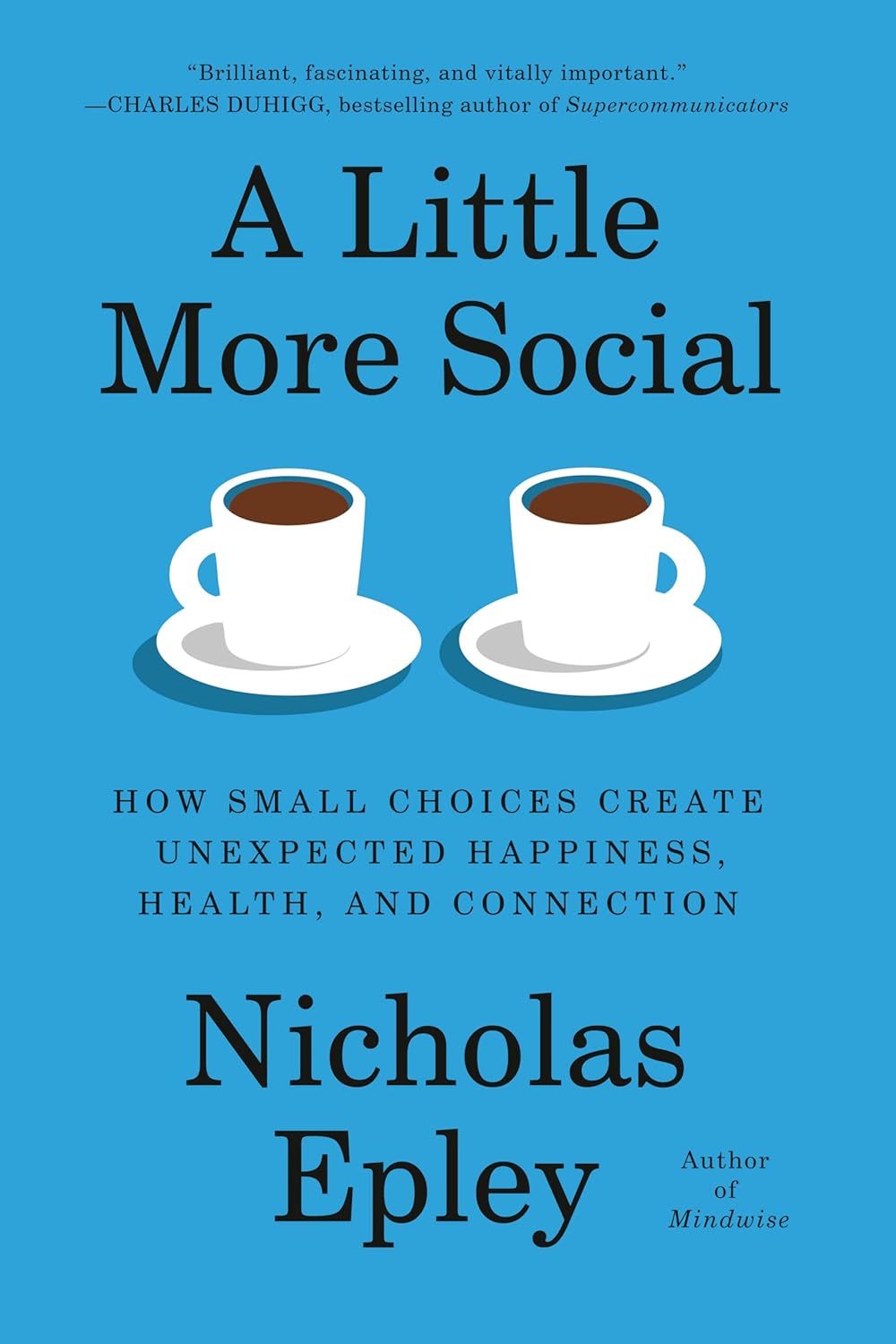
It’s the choice we make every day: when we have a chance to engage with a stranger on an airplane or sitting in a waiting room, do we put on our headphones or start a conversation? To speak or not to speak? Stan’s guest this week is University of Chicago psychologist Nicholas Epley, talking about his new book, A Little More Social: How Small Choices Create Unexpected Happiness, Health, and Connection (Knopf, 2026). There is a paradox at the core of human life. We are a highly social species uniquely equipped to connect with other people and doing so is better for us. Yet we so often choose to be unsocial. We avoid talking to the stranger who sits next to us. We struggle to move beyond small talk with an acquaintance. Epley has spent his career studying the way we connect, and he tells us how small acts of connection with other human beings can have an outsized impact on the most important parts of our lives.
S10E9 Podcast: Pulitzer Prize Winner Alan Taylor

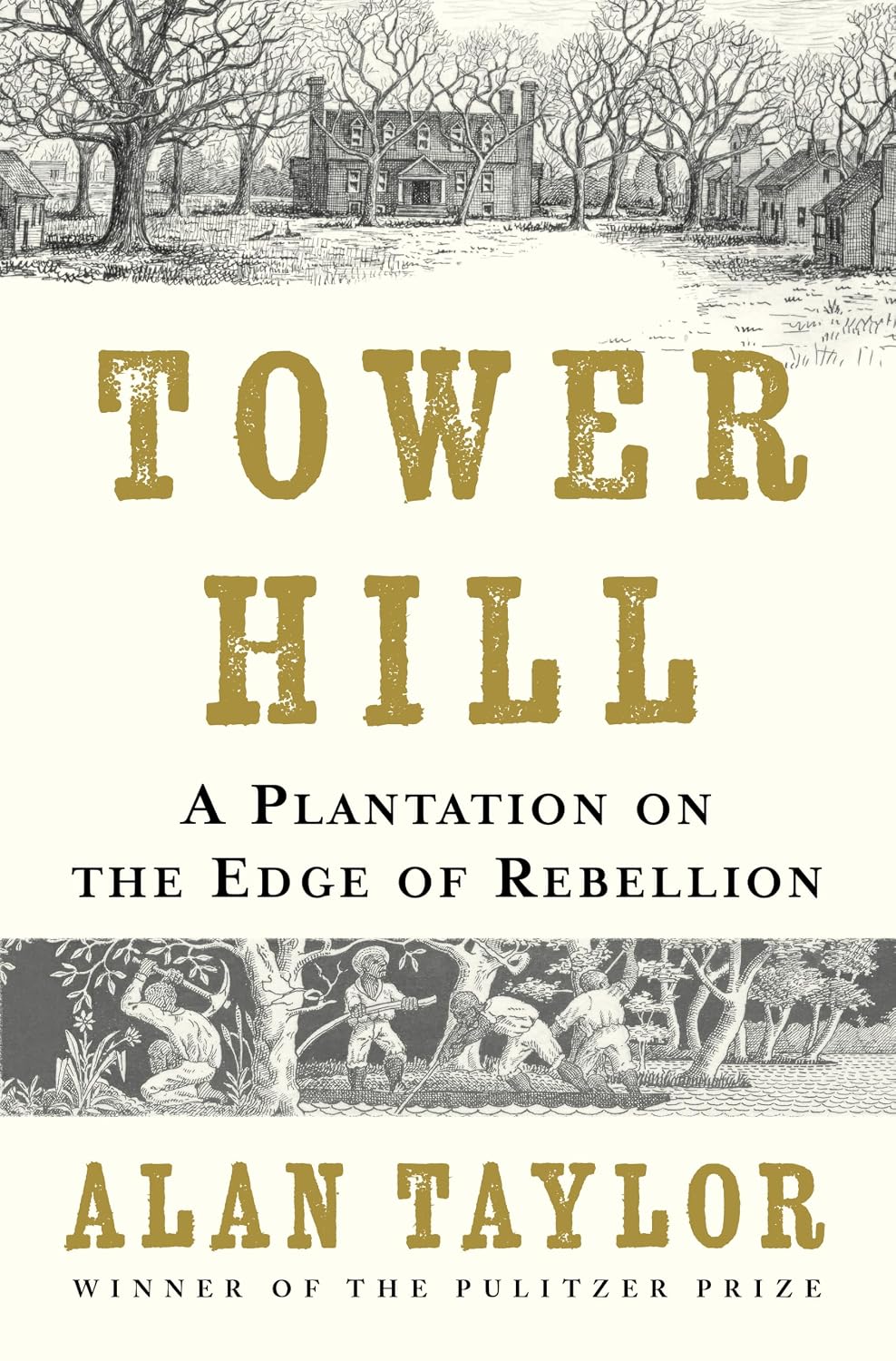
Stan’s guest this week is distinguished historian Alan Taylor, two-time winner of the Pulitzer Prize in History, and the 2026 Vincent J. Dooley Distinguished Teaching Fellow at the Georgia Historical Society. Alan joins Stan to talk about his latest book, Tower Hill: A Plantation on the Edge of Rebellion (WW Norton, 2026), which draws on a previously untapped family archive to reveal the routines and perils of daily life on a slave plantation in southeastern Virginia in the early- to mid-nineteenth century, and its proximity to Nat Turner’s famous 1831 uprising, when Turner’s rebels struck slaveholding families near Tower Hill, killing more than fifty men, women, and children in a single day.

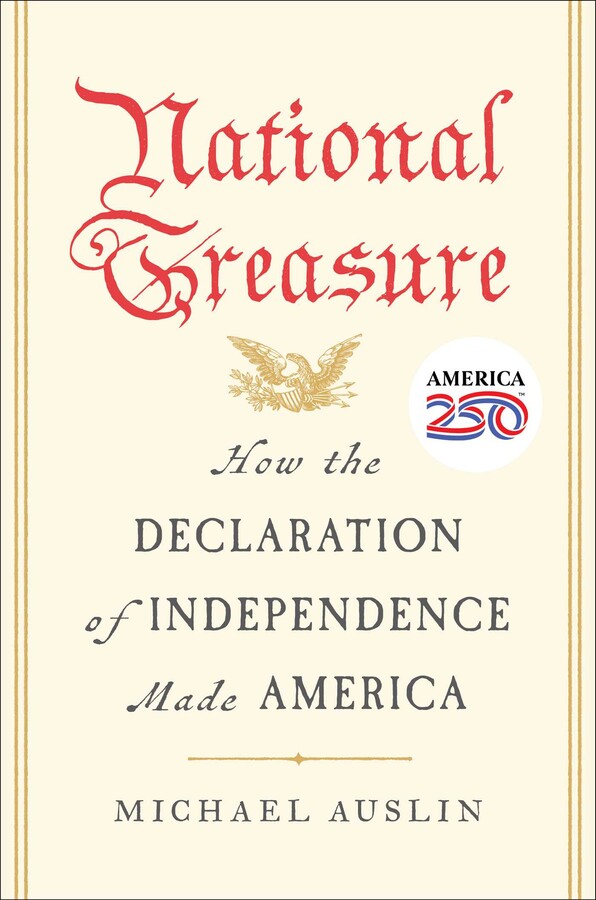
S10E1 Podcast: National Treasure: The Declaration of Independence

As part of GHS’s ongoing US250 commemoration—and just in time for July 4—Stan’s guest is author and historian Michael Auslin, talking about his new book, National Treasure: How the Declaration of Independence Made America (Avid Reader Press/Simon & Schuster, 2026), the inspiring story of the Declaration from the Philadelphia boardinghouse where Jefferson drafted it to its removal from Washington in 1814 to its evacuation to Fort Knox during World War II, its ink fading until it was painstakingly preserved and enshrined. Through it all, Jefferson’s words have inspired immigrants to become American and fueled a multitude of causes, from abolitionists to suffragists and Civil Rights leaders to groups waging war on the US government. As Jefferson hoped, the Declaration became a beacon to the world. But what lessons should we take from the Declaration today?

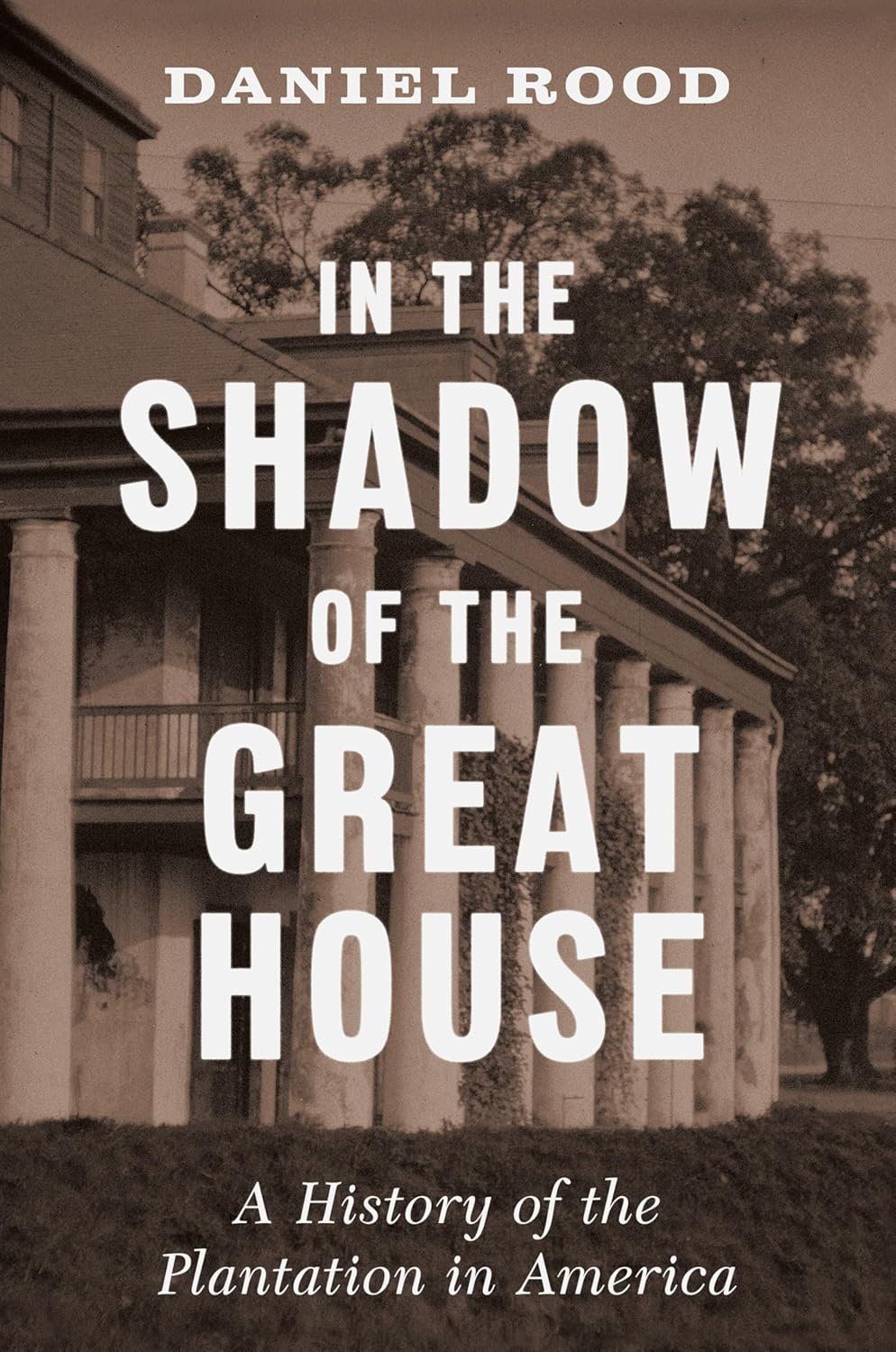
S9E18 Podcast: In the Shadow of the Great House: The Plantation in America

Stan’s guest this week is UGA professor Daniel Rood, talking about his new book, In the Shadow of the Great House: A History of the Plantation in America (W.W. Norton, 2026), a new history of American slavery and American capitalism. The plantation traces its roots to the Portuguese conquest of an island in the Atlantic in the 1500s and reached its most powerful manifestation in the United States. But Rood argues in this provocative new history that plantations did not end with the Civil War but metastasized across space and time and can still be found today, touching nearly every aspect of our lives.

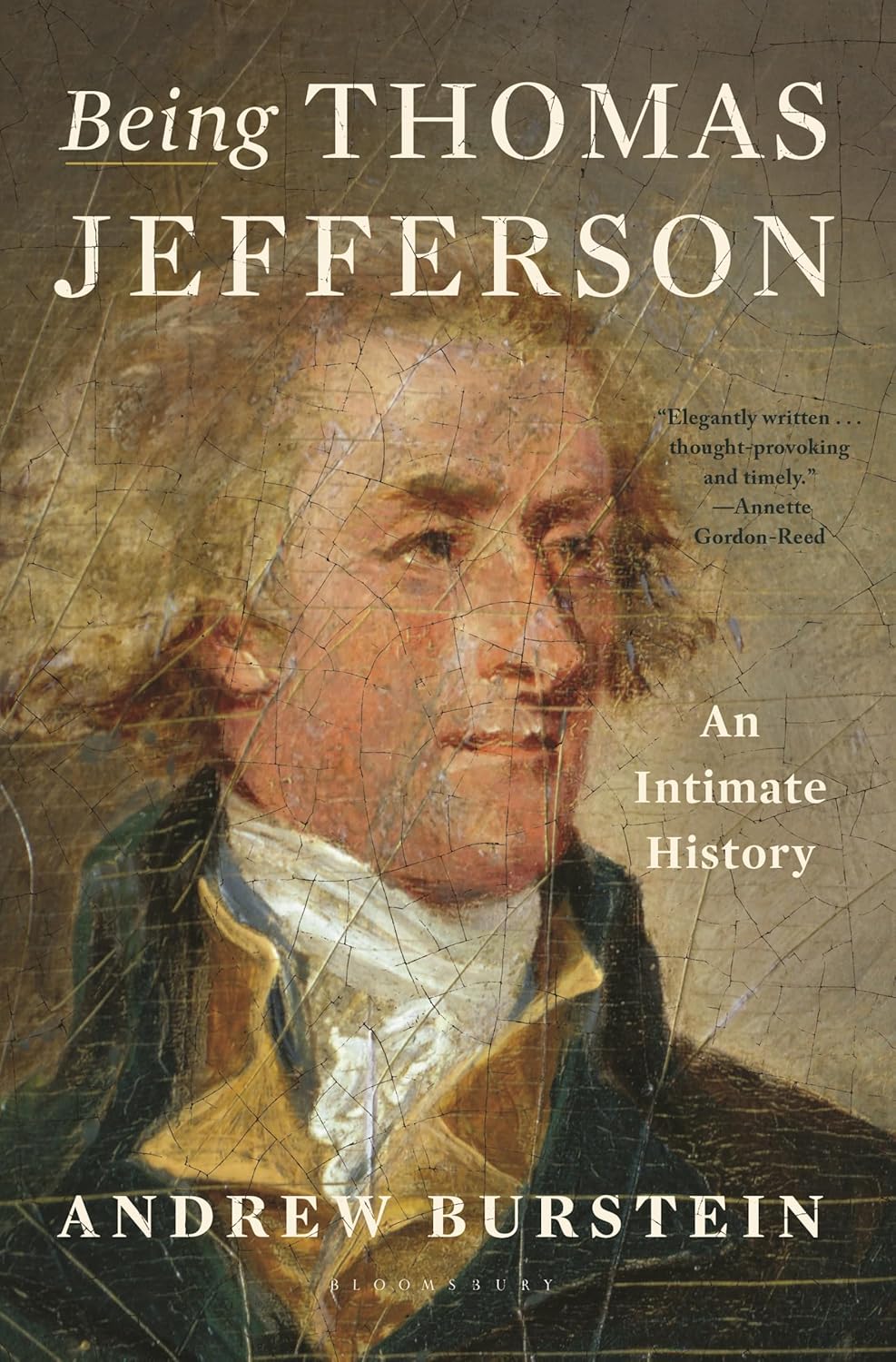
S9E14 Podcast: Being Thomas Jefferson

As part of GHS’s ongoing US250 commemoration, Stan’s guest this week is author and historian Andrew Burstein, talking about his new book, Being Thomas Jefferson: An Intimate History (Bloomsbury, 2026). Burstein is a nationally recognized authority on Jefferson, the author of ten books, co-author of two others, recently retired as Charles P. Manship Professor of History at LSU. He advised and served as on-air commentator on Ken Burns’ acclaimed 1997 film, Thomas Jefferson. His new book is “the deepest dive yet into the heart and soul, secret affairs, unexplored alliances, and bitter feuds of this generally worshipped, intermittently reviled American icon.” Perhaps no founding father is as mysterious as Thomas Jefferson. What did it feel like to be Thomas Jefferson?