Category Archives: Books

S10E5 Podcast: Out of the Ballpark: How to Think About Baseball

Stan welcomes back to the podcast historian David Henkin of the University of California, Berkeley, to talk about his latest book, Out of the Ballpark: How to Think About Baseball (Oxford University Press, 2026). Henkin strips away the mythology that has accumulated around baseball in the United States and rejects the notion that understanding the game requires focusing solely on what happens on the diamond, choosing instead to explore the game’s history, it’s obsession with rulebooks and statistics, the game’s “clubs” and “leagues,” mass media, and the international appeal of this wonderful and enduring pastime.

S10E4 Podcast: Contested Continent: The Oxford History of the United States

Stan’s guest this week is distinguished historian Peter Mancall of the University of Southern California, author of Contested Continent: The Struggle for North America, c.1000 – 1680, the new and first volume in the renowned Oxford History of the United States series. Contested Continent recounts the origins of “America” and how it came to birth the United States, from the Viking expeditions to the end of the 17th century. The Oxford History of the United States is the most respected multi-volume history of our nation. The series includes three Pulitzer Prize winners, two New York Times bestsellers, and winners of the Bancroft and Parkman Prizes. Mancall recounts how North America was forged from the experiences of millions of Indigenous, European, and African women and men, from the Arctic to the West Indies.

S10E1 Podcast: National Treasure: The Declaration of Independence

As part of GHS’s ongoing US250 commemoration—and just in time for July 4—Stan’s guest is author and historian Michael Auslin, talking about his new book, National Treasure: How the Declaration of Independence Made America (Avid Reader Press/Simon & Schuster, 2026), the inspiring story of the Declaration from the Philadelphia boardinghouse where Jefferson drafted it to its removal from Washington in 1814 to its evacuation to Fort Knox during World War II, its ink fading until it was painstakingly preserved and enshrined. Through it all, Jefferson’s words have inspired immigrants to become American and fueled a multitude of causes, from abolitionists to suffragists and Civil Rights leaders to groups waging war on the US government. As Jefferson hoped, the Declaration became a beacon to the world. But what lessons should we take from the Declaration today?

S9E21 Podcast: George Washington, Slavery, and American Memory

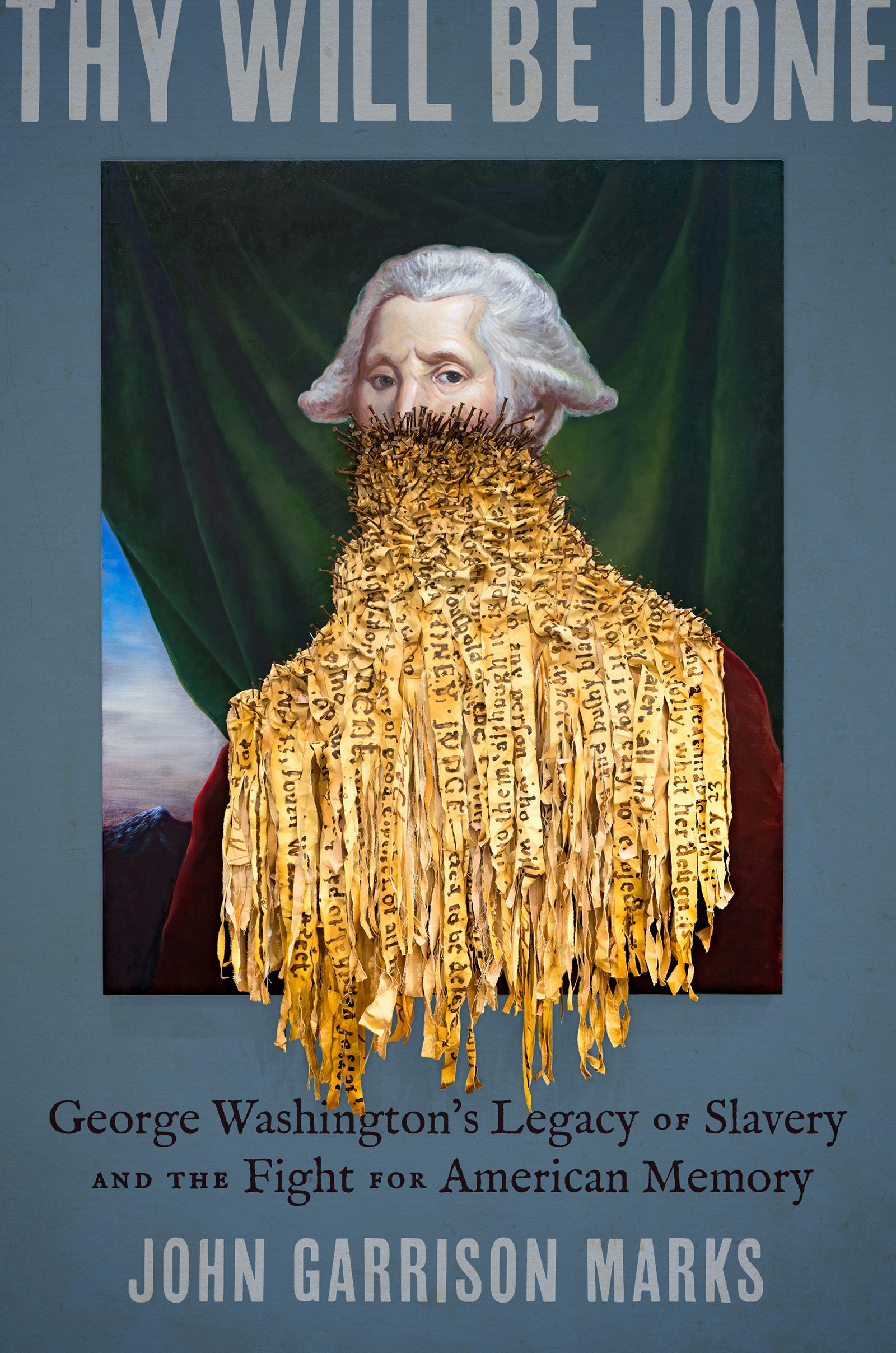
Stan’s guest this week is historian John Garrison Marks, discussing his new book, Thy Will Be Done: George Washington’s Legacy of Slavery and the Fight for American Memory (University of North Carolina Press, 2026), which tells the story of Americans’ long struggle to come to terms with Washington’s legacy of slavery. He traces how politicians, abolitionists, educators, activists, Washington’s former slaves and their descendants, and others have remembered, forgotten, and manipulated slavery’s place in Washington’s story, and how they have wielded versions of that story in the political and cultural fights of their time. Marks shows how generational struggles over our collective memory of Washington and slavery have always been part of a bigger conversation about defining the United States and its people.

S9E17 Podcast: The Fear of a Standing Army: Were the Founders Wrong?

How is it that a country founded in fear of a standing army would come to think of its military as a bulwark of democracy? Why has there never been a military coup in the United States? As part of GHS’s ongoing US250 commemoration, Stan’s guest this week is Kori Schake of the American Enterprise Institute, talking about her new book, The State and the Soldier: A History of Civil-Military Relations in the United States (Polity, 2025).

Version 1.0.0